
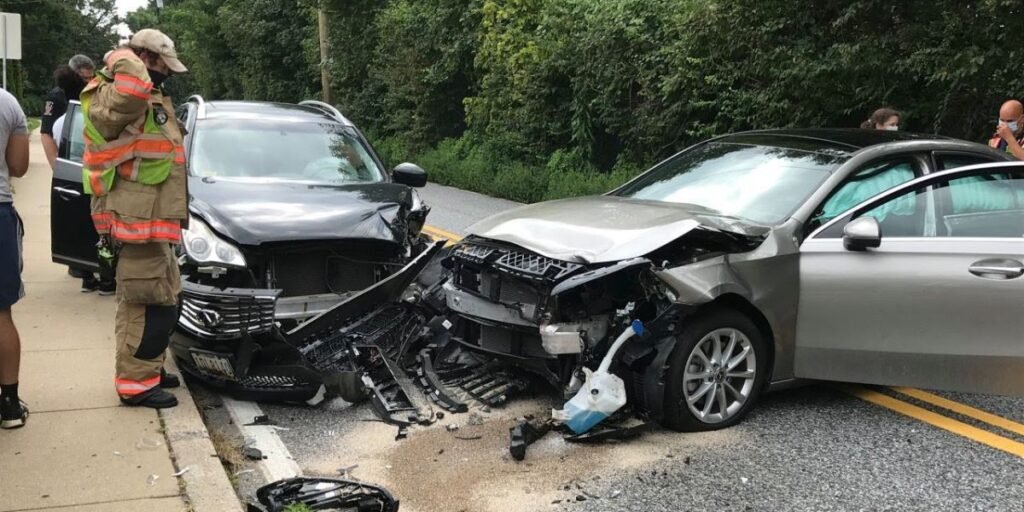
There is a distinct and unsettling shift that happens when a regular evening of digital scrolling gets interrupted by an alarming phrase. Sitting quietly with a cup of coffee and watching eyes drift across a screen, a familiar name pops up in a search feed paired with an abrupt and ominous word. In that exact split second, normal curiosity morphs into a tight knot in the chest. Even if the person is not a household name or a lifelong personal friend, human instinct reacts instantly to the sudden suggestion of harm.
The mind races ahead of the facts and runs through worst-case scenarios about emergency response teams, hospital visits, and life-altering news. This vulnerability is deeply tied to how people process shared digital spaces today. When an unexpected threat is attached to a human being, the immediate emotional impulse is concern first and verification second.
The Contradiction in the Reports
Moving past that initial wave of adrenaline to look for actual substance yields an entirely different kind of frustration. Examining search results and forum discussions closely reveals a strange void where hard facts should be. The harder someone tries to track down the root of an incident, the clearer it becomes that a tangible accident is missing from the equation entirely.
The narrative dissolves upon inspection into a looping echo chamber. One thin blog post references a vague social media caption, another site recycles the phrasing with a slightly more dramatic headline, and search engines index the repetition as trending data.
This creates a sharp contradiction. The query carries the emotional weight of a major crisis, yet underlying documentation remains entirely non-existent. Sorting through this noise requires pulling apart how digital panic manages to outrun objective reality.
Who Marky Beverlin Is and Why His Name Carries Attention
To understand why a groundless rumor travels so rapidly, it helps to examine the real-world context behind the search query. Public corporate records and official business filings list Marky J. Beverlin Jr. as the chief executive officer of Verli Inc., an active enterprise he co-founded alongside his wife Laura Beverlin.
In the modern landscape of digital media, public interest is no longer restricted to traditional movie stars or network television celebrities. Creators, entrepreneurs, and independent business founders who share their daily lives, personal hurdles, and professional milestones online build a profound sense of familiarity with their audience over years of steady publishing.
When an individual who feels like a familiar presence in someone’s daily digital routine gets caught in a frightening headline, the community reaction is fast and deeply personal. People care because digital transparency creates a strong sense of proximity, making any threat feel close to home.
How the Marky Beverlin Accident Story Started
Tracing the lifecycle of an online rumor requires looking backward rather than taking search engine autocomplete suggestions at face value. A thorough review of the digital footprint surrounding this phrase shows that the narrative did not emerge from police logs, hospital bulletins, or verified investigative journalism.
Instead, the path of the rumor follows a very predictable internet pattern:
- Fragmented comments or out-of-context social media remarks first appeared on open forums without citing any firsthand accounts or primary sources.
- Search engine optimization aggregators and low-tier traffic blogs scraped those keywords and repackaged them into alarming headlines engineered strictly to capture click volume.
- Automated algorithmic recommendation engines picked up the sudden spike in search volume, feeding the phrase back to curious users as an autocomplete suggestion that lent the unverified rumor an artificial air of authority.
- Independent news organizations, law enforcement databases, and official family statements remained completely absent across every single tier of the cycle.
Unpacking this mechanism strips away the mystery, exposing how easily modern algorithms can manufacture the illusion of a major breaking event out of digital thin air.
There Is Still No Clear Account of a Crash, Injury, or Hospitalization
Stripping away layers of online speculation leaves behind a striking vacuum of hard evidence. When real journalists or careful investigators analyze a major emergency event, they look for standard pillars of documentation that ground the story in reality. None of those markers exist for this specific query.
A genuine report of a serious accident typically leaves a verifiable paper trail. Looking closely at what is missing reveals the true nature of the rumor:
- There are no precise geographic locations, street names, or timestamps pointing to where an incident supposedly took place.
- No municipal police departments, highway patrol divisions, or sheriff’s offices have logged emergency response records or accident reports matching the claim.
- Local hospitals and emergency medical centers have no admissions or public notifications regarding treatment or injuries.
- Neither Marky, his wife Laura, nor any official corporate representative has ever issued a statement confirming a crash or medical emergency.
Unscrupulous blogs frequently turn a vague and unspecified mention of an accident into a dramatic car crash simply because vehicles fit lazy narrative templates. Without a single primary source, filling in those blanks is pure fabrication.
What Marky Beverlin Is Doing Now
Instead of relying on breathless online whisper networks, observing actual public records and ongoing business updates provides a grounded perspective. Corporate filings verify that Marky J. Beverlin Jr. remains connected to active corporate leadership. Meanwhile, public profiles maintained by Laura Beverlin document ongoing entrepreneurial projects, lifestyle ventures, and daily routine updates from Florida.
Public documentation shows him continuing his ordinary business and family responsibilities. Responsible reporting draws a firm line here.
Observing that an individual is publicly accounted for through professional and lifestyle documentation does not give anyone the right to make blanket declarations about private medical histories. There is a vast difference between noting that a person’s life continues outward and pretending to possess omniscient knowledge of their private well-being.
The Ordinary Life Behind an Extraordinary Search
Stepping back from the algorithmic chaos reveals a striking contrast between digital fiction and everyday reality. The search term itself functions like an emergency siren, screaming urgency, danger, and sudden tragedy.
Yet when you look at the actual public footprint of the household, you find a very normal routine. Public content highlights home projects, building entrepreneurial brands, spending time with family, and navigating the standard ups and downs of life.
This mismatch explains why investigating online rumors requires a steady hand. The internet often dresses up an ordinary life in the terrifying costume of a crisis, turning routine existence into fodder for click-hungry search algorithms.
Why the Word “Accident” Changes Everything
Human beings are hardwired to respond to sudden danger cues. When scanning a list of business updates or casual lifestyle posts, the eye often glazes over routine sentences.
Insert a single high-stress word next to a human name, and the cognitive gears shift instantly. The brain stops processing data logically and jumps straight into a protective threat assessment mode.
Questions flood the conscious mind instantly: Who is hurt? Is anyone safe? How bad was it? This emotional hijack explains why people click on links they would normally ignore. The word exploits deepest anxieties about sudden loss, creating an irresistible urge to find out if someone survived an unthinkable event.
When Repetition Starts Looking Like Proof
A dangerous illusion dominates modern web browsing: the belief that volume equals truth. When a user conducts an online search and sees ten different websites discussing an accident, the subconscious mind assumes that ten independent journalists verified the facts.
In reality, the ecosystem often operates entirely differently.
The mechanics of digital recycling follow a predictable and flawed loop:
- A single unsubstantiated claim appears on an open forum or gossip channel.
- Automated content scrapers and low-tier aggregation sites copy keywords to capture temporary search traffic spikes.
- Search engines index the sudden cluster of identical phrasing, feeding the topic into autocomplete recommendations.
- Curious readers click links, misinterpreting a dozen recycled blog posts as independent confirmation of a real-world event.
Ten websites repeating the same unverified rumor do not equal ten independent sources. They represent a single unproven whisper bouncing inside a closed digital canyon.
The Damage a False Accident Story Can Do
Treating unverified emergency claims as harmless internet gossip ignores the very real human toll attached to digital falsehoods. When a false report of a serious crash or injury spreads unchecked, consequences ripple outward quickly.
False alarms trigger genuine panic among extended family members, elderly relatives, and close friends who see a headline before they can reach out directly. The target of a rumor is forced to spend valuable time answering frantic phone calls and reassuring loved ones that they are safe.
Furthermore, these stories leave a permanent stain on search engine result pages, tying a terrifying false narrative to a real person’s name for years. Once a rumor embeds itself into search memory, subsequent corrections rarely capture as much attention as the initial alarming headline.
When Can Spreading a False Rumor Become a Legal Problem?
Navigating the distribution of unverified claims requires understanding legal boundaries surrounding speech in the United States. While publishing false information can trigger legal liability, not every incorrect statement automatically opens the door to a successful lawsuit.
Legal frameworks established around defamation require specific elements:
- a false statement of fact presented as truth,
- unprivileged publication to a third party,
- a legally defined level of fault
- A demonstrable harm
Furthermore, individuals who occupy public profiles face a much higher constitutional threshold. Under established legal standards, public figures must prove actual malice, meaning a publisher either knew a statement was false or acted with reckless disregard for the truth.
Calling an online claim unverified is not the same as proving a slam-dunk defamation case. Recognizing this distinction prevents sensationalizing the legal reality surrounding internet rumors.
False Light and Privacy: Where the Legal Picture Gets More Complicated
Beyond standard defamation, civil law in certain jurisdictions recognizes a distinct privacy tort known as false light. This occurs when someone is publicized in a way that creates a highly offensive and false impression to a reasonable observer.
However, legal recognition of false light varies wildly across state lines, and its application remains complex. The modern internet complicates this even further by allowing a photograph, a corporate title, and a fabricated emergency claim to be packaged and redistributed across thousands of automated servers in seconds.
While technical distribution at that scale makes tracking original authors difficult, it underscores why ethical barriers against publishing unverified claims are so vital.
What Publishers Should Do Before Running an Accident Story
Responsible digital publishing demands rigorous self-regulation long before an article goes live on a screen. Editorial desks facing unverified emergency reports should pause and subject drafts to strict internal interrogation:
- Can the primary source of a claim be identified beyond anonymous social media commentary?
- Do official police logs, hospital registries, or court databases contain independent records of an event?
- Have family members, legal counsel, or official corporate representatives verified details?
- Is a platform reporting a verifiable historical event, or merely reporting that other anonymous blogs are gossiping?
- Are editors inventing vivid details like vehicle types or injury severities that no official record supports?
Failing these basic editorial checks means a publisher is not reporting news; they are manufacturing noise.
Why Platforms and Publishers Need More Friction Around Emergency Rumors
The modern digital ecosystem is built for speed, prioritizing engagement metrics over factual accuracy. Yet the solution to rampant misinformation is not total algorithmic censorship, but rather the introduction of intentional friction.
Platforms and publishers should implement structural speed bumps before alarming claims about injuries, crashes, or deaths become indexed as breaking news. Verification requirements should be mandatory for any content touching on personal safety and medical emergencies.
Furthermore, editorial desks that rush to publish unverified rumors should be held to higher accountability standards, ensuring that quiet retractions do not substitute for prominent and transparent corrections once facts come to light. Building friction into publishing pipelines protects both the public and the dignity of private individuals.
The Marky Beverlin Accident Story, Reconsidered
Weighing available evidence against circulating rumors leads to a clear and objective conclusion. Online discussion boards and aggregation blogs have certainly helped circulate claims regarding a Marky Beverlin accident.
However, a thorough review of public records, official databases, and verified media reporting reveals zero documentation supporting a crash, serious injury, or hospital admission. Current public information demonstrates that he remains engaged in business responsibilities and family life.
Therefore, the only responsible designation for these online claims is that they remain entirely unsubstantiated by verifiable public evidence. Stating that a rumor is unverified respects boundaries of known facts without overreaching into absolute omniscience.
The Bigger Lesson Is Simple: A Frightening Headline Still Needs Evidence
Returning to the opening observation highlights the core vulnerability of the modern reader. The fascination surrounding this search term is not driven by mainstream celebrity status, but by the alarming ease with which the internet can dress up fiction as urgent reality.
When an alarming headline flashes across a screen, human instinct naturally pulls us toward panic before proof. Good reporting and mindful digital consumption demand that we reverse that exact sequence.
Verify facts first, demand concrete evidence before panicking, and refuse to let algorithmic echoes dictate what we believe about the lives of others.
If you’re interested in examining other legal disputes, allegations, and the facts behind high-profile lawsuit claims, these related articles offer further insights: