
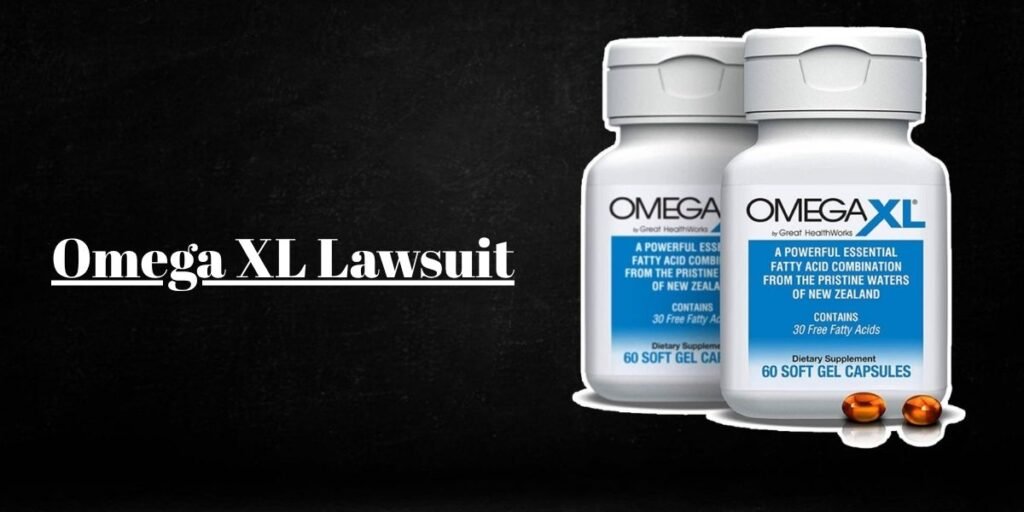
The legal background surrounding Omega XL often creates confusion because two completely distinct actions involving its manufacturer, Great HealthWorks, Inc., get lumped together. One is a private class-action lawsuit filed in 2017 over recurring billing practices, and the other is a 2021 regulatory warning issued by the U.S. Food and Drug Administration regarding online health claims.
Neither event resulted in a financial recovery pool or an active settlement payout program. A closer look at public court dockets and federal regulatory records clarifies what took place in each case and where matters stand today.
The 2017 Subscription Billing Class-Action Lawsuit
In March 2017, a class-action complaint was filed against Great HealthWorks in California state court before being transferred to federal court as Boyer et al. v. Great HealthWorks, Inc. and Does 1–50 (Case No. 17-cv-734) in the U.S. District Court for the Southern District of California.
The lawsuit focused strictly on how the product was sold rather than its physical ingredients or safety profile. The complaint alleged that buyers placing an initial order for Omega XL were automatically enrolled in a recurring monthly shipment program without receiving clear and conspicuous disclosure. According to the filing, monthly charges continued hitting credit cards until customers successfully completed multi-step cancellation hurdles, which the plaintiffs argued violated state automatic renewal and consumer disclosure laws.
By March 2018, the case was voluntarily dismissed without prejudice. In federal civil procedure, a dismissal without prejudice means the plaintiffs withdrew their claims before a judge or jury ruled on the merits. Because the litigation ended prior to class certification or any formal settlement agreement, no liability was assigned, and no fund was ever established to pay out claims to buyers.
The 2021 FDA Warning Letter and Disease Claims
Regulatory scrutiny hit the supplement’s marketing in mid-2021 when the U.S. Food and Drug Administration issued a formal warning letter CMS No. 611686 to Great HealthWorks CEO Ken Meares.
The agency’s review of the company’s websites revealed promotional statements for Omega XL and ProbioticXL that crossed the line from permissible dietary supplement claims into unapproved drug claims. Under the Federal Food, Drug, and Cosmetic Act, supplements may describe how an ingredient supports general bodily structure or function, but they cannot claim to diagnose, cure, mitigate, treat, or prevent a specific disease without undergoing full drug approval.
FDA regulators cited specific promotional language, including claims that the supplement offered dramatic relief from joint pain caused by inflammatory conditions and references to clinical trial figures promising significant percentage improvements in discomfort. Because the product was marketed with therapeutic promises without drug approval, the agency classified it as an unapproved new drug introduced into interstate commerce.
This administrative warning was a regulatory enforcement action rather than a private lawsuit. It was designed to compel compliance with federal labeling standards, not to calculate consumer financial damages or establish restitution payments.
Post-Warning Compliance and Closeout Record
Following the 2021 warning letter, Great HealthWorks submitted proposed corrective steps to adjust its website copy, promotional materials, and product claims. The goal was to bring all public advertising into line with dietary supplement marketing regulations.
After evaluating the company’s changes, the agency issued an official FDA Closeout Letter on January 25, 2022. The closeout notice confirmed that the firm had addressed the specific violations cited in the original warning letter, effectively ending the agency’s administrative review.
Because the matter was resolved through marketing revisions, it involved no civil court trial, product recalls, or court-mandated financial compensation for consumers who had previously purchased the product.
Clarifying Active Settlement Claims and Managing Billing Issues
There is no court-approved class-action settlement, active payout fund, or official claim form connected to Omega XL. Legitimate class-action recoveries require a judge-certified class, a formal settlement agreement, and an official claims administrator operating under court supervision. None of those exist here. Unverified websites claiming to collect personal information for Omega XL settlement checks lack any legal foundation, and submitting financial data to them carries significant privacy and security risks.
Consumers who encounter unexpected auto-ship charges or recurring credit card debits have practical ways to handle the issue:
- Contact Great HealthWorks customer service directly to request immediate cancellation of the auto-ship program and retain written record of the request.
- Review transaction confirmations to verify whether recurring billing terms were adequately disclosed at the time of purchase.
- Reach out to the issuing credit card bank to dispute unauthorized or recurring charges under federal cardholder protection rules.
- Submit complaints detailing deceptive billing or enrollment practices to consumer protection agencies such as the FTC Fraud Reporting Portal or state Attorney General offices.
Filing administrative complaints helps regulatory bodies monitor commercial auto-renewal practices, though it operates separately from private class-action litigation.
Frequently Asked Questions
Is there an active Omega XL class-action settlement right now?
No court dockets or legal records show an active class-action settlement or open claim process for Omega XL buyers.
What happened to the 2017 lawsuit against Great HealthWorks?
The 2017 case (Boyer v. Great HealthWorks) was voluntarily dismissed in March 2018 without class certification or any financial payout to customers.
Did the FDA force Omega XL to pay refunds?
No. The FDA’s 2021 warning letter addressed website marketing claims. The company adjusted its promotional statements, leading the FDA to issue a formal closeout letter in January 2022 without imposing consumer refunds.
How can I stop unwanted recurring charges for Omega XL?
Contact the seller in writing to cancel the auto-ship subscription, keep a copy of your cancellation request, and dispute any unauthorized recurring debits directly with your credit card issuer.